





- 주문상품수량
- 개
- 예상적립금
P - 상품할인금
- 원
- 배송료
- 원
- 주문합계
- 원
네비게이션 실시간 인기 책

정가제Free
K FOOD : Secrets of Korean Flavors 영문판 (양장)
- 행복이가득한집편집부지 저
- 공앤박
- 2021년 09월 30일
-
정가200,000원
-
판매가200,000원 [0% 할인]
-
결제 혜택무이자
카드할인/포인트결제 안내
제휴카드
반디앤루니스 롯데카드 결제금액 최대 25% 청구할인 (1만원 이상 결제건에 한해 월 2회, 건당 최대 1만원 할인) 반디앤루니스 우리V카드 결제금액 10% 청구할인 포인트결제
OK캐쉬백 포인트 최소 10원부터 전액 사용 or 1% 적립 현대카드 M포인트 결제금액의 최대 10% 사용 가능 신한카드 포인트 결제금액의 최대 10% 사용 가능(일부카드) 하나(구.외환) 포인트 보유 한도 내에서 100% 사용 가능 씨티카드 포인트 결제금액의 최대 50% 사용 가능 할인카드
NH농협 TAKE5카드 20% 청구할인(Edu Pack) 채움 플래티늄 멀티카드 20% 청구할인 모바일 Tmoney 신한카드 10% 청구할인 신한카드 Shopping 10% 청구할인 NH농협 체크카드 10% 청구할인 NH20 해봄 신용카드 10% 청구할인 씨티 클리어 카드 7% 청구할인 NH20 해봄 체크카드 5% 청구할인 NH농협 LADY다솜카드 5% 청구할인 신한카드 큐브 5% 청구할인 신한카드 큐브 PLATINUM# 5% 청구할인 
무이자 안내
-
적립금6,000원 적립 [3%P]
추가 적립금 안내
[2천원 추가 적립]
총 주문금액 5만원 이상 구매 시 2,000원 추가 적립
도서(eBook포함)만 구매 시 적립 대상에서 제외업채배송상품 포함(기프트, 업체배송 등) 5만원[멤버십 추가 적립]
슈퍼루니 : 3% 추가 적립
골드루니 : 2% 추가 적립
실버루니 : 1% 추가 적립
단, 국내도서, eBook만 구매 시 적립 불가
-
배송료무료배송
-
출고예정일
출고예정일 안내
※ 출고예정일은 도서 재고상황에 따라 변동될 수 있습니다.
2026년 11월 26일(목)※ 출고예정일은 도서 재고상황에 따라 변동될 수 있습니다.
당일배송 가능지역 검색
“도로명주소”를 쉽게 찾아보세요
1. 도로명으로 검색하기 (예, “직지길” or “직지길+322”)
2. 건물명으로 검색하기 (예, “반디앤루니스빌딩”)
3. 동(읍/면/리) 으로 검색 (예, “인사동” or “인사동+43”)
4. 도로명주소를 모르실 경우 도로명주소 안내시스템(http://www.juso.go.kr)에서 확인해주세요.
시/도
시/군/구
회원리뷰
ISBN: 9781635190373
1128쪽
4,500g
188 x 245 (㎜)
지금 이책은
- 판매지수 : 0
이 분야의 베스트셀러
-
 만원으로 일주일 반찬 만들기
송혜영(욜로리아)
12,960원
-
 삼겹살을 맛없게 먹는 30가지 방법
전준형
10,800원
-
 한 그릇 뚝딱 이유식[최신개정판]
오상민, 박현영
25,200원
책 소개
출판사 리뷰
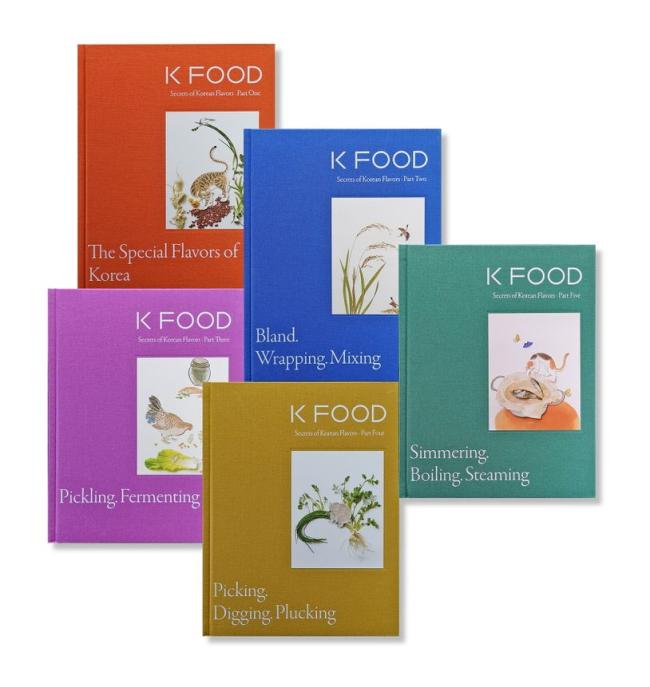
『K FOOD: Secrets of Korean Flavors』 is the result of an effort to examine the spirit and substance, and the past and the present, that has taken root in the Korean table, with a dense and bold eye. Above all, this book looks at Korean food in terms of cultural codes such, as 'flavorlessness,' 'fusion,' 'fermentation,' 'gathering,' and 'moist-heat' instead of traditional standards, such as 'season' and 'ingredients.' Korean food begins with a bland and mild ‘tasteless’ rice, and that rice is wrapped up in a ssam or mixed with meat and vegetable ingredients, sesame oil, and red pepper paste for ‘fusion’ properties, which are the first and second codes. While the Western cooking code consists of the confrontation between cooked and raw, and meat diet and vegetarianism, the third code examines the taste of fermented Korean food, that is, Korean food through ‘fermentation.’ The fourth code, ‘namul culture,’ looks into Korean food through the tradition of the ‘gathering era’ of digging for namul (greens), picking tree fruits, and plucking marine plants. The fifth code, ‘wet culture’, focuses on foods that are always included in Koreans' meals. They are broth-based foods such as soup, tang, stew, and hot pot, foods that need to be simmered, such as yeot (Korean taffy), grain syrup, and syrup, and foods cooked with steam, such as rice cakes and other steamed foods. Former Minister of Culture Lee O-young, “Korea’s best scholar,” took on the task of coding through this insight into the spirit and matter, and the past and the present of Korean food. Han Bokryeo, the director of the Institute of Korean Royal Cuisine, Chung Haekyung, Professor in the Department of Food and Nutrition at Hoseo University, Park Chaelin, Ph.D. at the World Institute of Kimchi, and Cha Gyunghee, Professor of Korean Cuisine at Jeonju University, were responsible for the task of specifying and presenting the code in detail across each volume.
The two-year-long journey bundled into five volumes originated from the idea that food, especially Korean food, is not just a material substance that fills the stomach but somewhat of a 'media' with strong communication powers. This is the result of a comprehensive examination from the roots of Korean food such as royal cuisine, temple food, and Jongga food, to the scenery of the dining table where Koreans live in 2021, and from the source of ingredients to producers, from representative local foods to popular products on the market.
Korean food, which is prepared by mixing, fermenting, seasoning, and boiling, harmonizes with the principles of circulation and paradox. They do not ‘exclude’ but ‘include,’ and embrace and harmonize with each other. It not only adheres to the memories of the past or the taste of tradition, but also fuses and develops with the present taste and foreign culture, and as this book struggled to find this, it would be very reasonable to name this book ‘K-food,’ like ‘K-pop,’ ‘K-drama,’ and ‘K-beauty.’
A cookbook co-created by the ‘Korean Food Avengers’
『K FOOD: Secrets of Korean Flavors』 consists of the ‘Food Humanities’ section at the beginning of each book which unravels Korean food by code. At the back of each volume, according to the code, there are ‘everyday Korean recipes’ that Koreans enjoy these days. A total of 158 recipes were recorded in detail, from the selection of ingredients to recipes: 33 everyday Korean food made by wrapping and mixing, 54 recipes of everyday Korean food made by pickling and fermenting, 36 recipes of everyday Korean food prepared by digging, pickling and plucking, and 35 recipes of everyday Korean food made by boiling, simmering and steaming. Korean food chef Cho Heesuk (2 volumes), Lee Hayeon (3 volumes), the Kimchi Association of Korea’s president and Food Master designated by the Ministry of Agriculture, Food and Rural Affairs (3 volumes), Korean food chef Roh Younghee (4 volumes), and Han Bokryeo (5 volumes), a master of royal cuisine of the Joseon Dynasty, participated in this work. It can be said that it is a work in which the ‘Korean Avengers’ participated. As a result, Korean recipes that started from the authenticity that captured the present and daily life were completed. This cookbook, 『K FOOD: Secrets of Korean Flavors』 has the attitude of seeking truth from facts.
Book Introduction - Description of Each Volume
〈K FOOD: Secrets of Korean Flavors: Part 1, The Special Flavors of Korea〉
This is a general overview that outlines Korean food with the codes of 'flavorlessness ', 'fusion', 'fermentation', 'gathering,' and 'moist-heat.' In addition, we explored the special tastes of Korea, such as royal cuisine, Jongga food, Banga (nobleman house) food, temple food, seasonal holiday food, and rite of passage ceremonial food. It also contains basic information on ingredients that Koreans enjoy these days, Korean seasoning and garnish, Korean cooking tools, Korean dishes, such as white porcelain, brassware, Onggi, Korean ethnic earthenware, and woodenware, etc., and dining table and soban (a small portable dining table).
〈 K FOOD: Secrets of Korean Flavors: Part 2, Bland, Wrapping, Mixing〉
The basic composition of Korean food is rice, to the extent that all food except rice is considered a side dish to accompany rice. The bland and mild rice differentiates the taste of all kinds of side dishes and fuses them simultaneously. We explored the secrets of fusion culture, such as 'ssambap' and 'gimbap,' where you put together all kinds of ingredients and put them in your mouth, and 'bibimbap,' which is eaten by mixing various ingredients. It also includes recipes of everyday dishes that are eaten wrapped and mixed.
〈 K FOOD: Secrets of Korean Flavors: Part 3, Pickling, Fermenting〉
Like kimchi and sauces, the characteristic of Korean food is the taste of fermented food, neither raw nor cooked. We looked at ingredients for making soybean paste, soy sauce, red pepper paste, kimchi, fermented liquor, etc., and explored tools necessary for fermentation, such as earthenware and jangdokdae, a platform for traditional earthen jars. It also includes recipes for fermented foods that Koreans enjoy in their daily life.
〈K FOOD: Secrets of Korean Flavors: Part 4, Pickling, Digging, Plucking〉
Koreans dig up, pick, and pluck almost all parts of plants, like mountain herbs, wild vegetables, and garden vegetables, to make them a meal. The culture of enjoying marine plants such as seaweed and laver, and the culture of collecting and enjoying root plants and tree fruits are also old traditions. It examines the gathering culture of Koreans, which can be called the 'namul nation,' and includes everyday recipes.
〈K FOOD: Secrets of Korean Flavors: Part 5, Simmering, Boiling, Steaming〉
One of the most important codes for interpreting Korean food is the \"wet culture,\" a mixed system of eating solid ingredients and broth together. Soup food represented by broth, such as soup, stew, and hotpot, and noodles, such as noodle soup and ramen, and foods that steam for a long time, such as rice cake and steamed foods were examined.
저자 소개
저자 : 행복이가득한집 편집부
1987년에 창간된 《행복이 가득한 집》은 인테리어와 건축을 비롯해 요리와 패션, 문화와 예술에 관한 새로운 정보를 전달하며, 일상을 디자인하고 삶을 풍요롭게 만드는 방법을 제안하는 라이프스타일 잡지이다. 가십이나 스캔들 기사 없는 온 가족이 함께 볼 수 있는 잡지, 마음과 영혼에 양식이 되는 ‘셸터 매거진(Shelter Magazine)’을 지향하며 진정성을 담은 기사와 정선된 광고를 담아, 우리나라에서 발행되는 잡지 중 가장 많은 정기 구독자 수를 자랑한다. 이 책은 《행복이 가득한 집》의 대표 칼럼인 ‘라이프&스타일’을 선별해 엮은 것으로 기자들이 건축, 공예, 인테리어, 교육, 출판 등 다양한 분야에 몸담고 있는 사람들의 집을 직접 찾아다니며 취재한 이야기다. 자신의 분야에서 성공과 행복을 일군 스물두 명의 라이프스타일과 그들이 그 라이프스타일을 꾸려 가는 공간을 소개함으로써, 독자들이 저마다 살고 싶은 집, 꿈꾸는 일상을 구체적으로 그리고 그 꿈을 실현할 수 있도록 안내한다.
목차
Prologue
The Five Secrets Behind the Taste of Korea
Bland; Wrapping and Mixing; Pickling and Fermenting; Digging, Picking and Plucking; Simmering, Boiling and Steaming.
Korea’s Specialty Dishes
Royal Cuisine, Gourmet Food for Royals
Three Women of Korean Royal Cuisine
The Cuisine Coexisting with Royal Court Food: The Food of Seoul’s Nobility
The Prestigious Heritage of Jongga Food
Understanding Jerye Food
Heritage Foods of Korea’s Renowned Jongga
Temple Food, the Taste of Enlightenment
Why Eating Temple Food is the Key to a Long Life
Praying for Health, Prosperity and Happiness: The Food of Korean Holidays
Food and Rites of Passage
Korean Food Basics
Foods Contemporary Koreans Like to Eat
Korean Condiments: Not Just a Seasoning but also a Medicine
Gomyeong: A Picture Drawn in a Dish
Deep Cuts: Korean Cooking Knives
Cooking Utensils for Korean Dishes
Artless Art, Kitchenware for Korean Food
The Feudal Ethics and Democratic Principles Contained in Korean Tables
Soban: The Mobile Dining Table for One
The Dining Tables of the Koreans
Dining with Guests
Daily Dining for Families
A Farmer’s Lunch Table
A Senior’s Birthday Dinner
Making Picnic Lunches for Families with Children
A Solo Diner’s Simple Dinner
A Weekend Meal for Three Generations
A Vegetarian’s Dinner
The Dining Table of a Long-Term Expat
A Korean Chef’s Formal Dinner
Appendix
What’s Inside Koreans’ Cupboards
Jongga Food in the Supermarket
Where to Experience Authentic Korean Food
< K FOOD: Secrets of Korean Flavors: Part 2, Bland, Wrapping, Mixing>
Prologue
Bland Wrapping and Mixing
The Fusion Culture Created by Rice
Bland
The Korean Way of Dining
Why Have Koreans Made Rice Their Staple Food?
Future of the 0.001%: Korea’s Native Rice
An Introduction to Korea’s Most Prominent Native Rice Cultivars
Comparing the Tastes of Korean Rice Cultivars
The Infinite Transformations of Ssal and Bap in the Korean Language
Tools to Make Rice: From Cast-Iron Cauldrons to Pressure Cookers
Secrets of Instant Rice
Why Did Koreans Drink Sungnyung After Meals?
Juk: A Food That Came Before Cooked Rice
Wrapping Everything
Korean Ssambap: Fortune and Health in a Wrap
How Quick Meals in the Fields Became Ssambap
Common Wrapping Leaves in Korea
Gujeolpan: Ssam, Elevated
What’s in a Royal Lettuce Ssam?
When Did Koreans Start Eating Gimbap?
Korea’s Mandu vs. China’s Dumplings
The Secrets of Frozen Mandu
Mixing Cooked Rice
Bibimbap: A Commonwealth of Flavors
Haeju Bibimbap
Jinju Bibimbap
Tongyeong Bibimbap
Andong Bibimbap
Jeonju Bibimbap
Sesame Oil and Perilla Oil: The Finishing Touches of Korean Dishes
Korea’s Top Bibimbap Restaurants
Everyday Korean Dishes Made by Mixing and Wrapping
< K FOOD: Secrets of Korean Flavors: Part 3, Pickling, Fermenting>
Prologue
Pickling and Fermenting
Korean Fermentation Culture: Born from Scarcity
Making Jang
The Secret Behind the Taste of Ganjang and Doenjang
The Basis of Korean Food’s Complex Flavors: Doenjang and Ganjang
Blessed Are the Homes with Meju Hanging from the Eaves on the Jang-Making Day
The Secret Behind the Taste of Gochujang
Gochujang, Korean Soul Food
The Fermented Beans of Korea, Japan, and China
Best Korean Jang, Winners of the Good Fermented Food Awards
Korean Jang-Based Sauce Products
Beans in Korean Proverbs
Salt, the Hero in the Story of Fermentation
The Natural History of Sea Salt
Salt Products Available in Korea
Making Kimchi
The Secret Behind the Taste of Kimchi
Why is Kimchi Special to Koreans?
Is Kimchi Really a Superfood?
Gimjang: Making “Half-Year Food”
Without Onggi, Fermentation Does Not Occur
Jangdokdae: A Family’s Altar
Why Were Geumjul Wrapped Around Crocks?
The Invention of the Kimchi Refrigerator
The Korean Love of Jeotgal
In Praise of Jangajji
Fermenting Alcohol
Korea’s Fermented Alcohols Have Good Roots
Tasteful Drinks and Entertainment in Old Paintings
Drink Makgeolli if You Want to Understand Koreans
Malgeolli’s Transformation
Regional Signature Fermented Wine
Everyday Korean Food Made by Pickling and Fermenting
Prologue
Picking, Digging and Plucking
Descendants of Gatherers: The Dietary Lives of the Koreans
Picking Greens
Namul Nation
Korea’s Favorite Namul (Greens)
Folk Songs about Gathering Namul
Koreans Are Sweet on Bitter Tastes
Year-Old Namul on the First Full Moon
Koreans and Kongnamul
Ready-Made Seasonings for Convenient Cooking
Ready-Made Namul Seasoning Products
Magical Mushrooms
Korean Mushrooms
A Baguni on Every Arm
Digging Up Roots
Deep-Rooted Root Vegetables
Root Vegetables in Korean Cuisine
The Place of Root Vegetables in Holiday Foods
Homi, the Tool of the Korean Woman
Plucking Fruits
Tree Nuts and Fruits in the Lives of Koreans
For Celebration and Remembrance: Jujubes, Chestnuts, Persimmons and Pine Nuts
Making Jelly out of Grain
Gathering Seaweed
A Watery Harvest
Marine Plants on the Korean Table
Varieties of Gim (Laver)
Seaweed, Koreans’ Lifelong Companion
Everyday Korean Food Made by Digging, Picking and Plucking
Prologue
Simmering, Boiling and Steaming
Korea: A Nation of Broth
Simmering Soup
A Nation of Broth: Guk, Tang, Jjigae and Jeongol
Soup Dishes of the Royal Court
Guk: From the Cradle to the Grave
The Hidden Science of a Rich Broth
Ingredients for Making Broth
Boiled, Brewed and Stewed: Gomtang and Seolleongtang
The Old Gukbap Restaurants of Seoul
Korea: The Nation of Spoons and Chopsticks
Simmered Down: Yeot, Jocheong and Go
The Story Behind Sot
Boiling Noodles
Noodles, Broth, and the Koreans
Regional Noodle Dishes of Korea
Naengmyeon: A Mysterious, Indescribable Dish
In Search of Ramyeon (Instant Noodles)
A Timeline of Korean Ramyeon
Steaming Rice Cakes and Dishes
Seon and Jjim: The Slowest of Slow Foods
A Humanistic Approach to Tteok
The Beauty of Royal Rice Cake
Popular Tteok (Rice Cake) of Today
Tteoksal: Carved Out of Life Itself
Tteokbokki, a Nation’s Favorite
Everyday Korean Dishes Made by Simmering, Boiling and Steaming
배송 시 유의사항
- 반디앤루니스에서 구매하신 도서는 물류 대행 위탁업체 웅진 북센을 통해 배송됩니다.
(배송 포장에 "웅진 북센"으로 표기될 수 있습니다.)
- 구매한 상품의 품질과 배송 관련 문의는 반디앤루니스로 문의 바랍니다.
- 천재지변 및 택배사의 사정에 따라 배송이 지연될 수 있습니다.
- 결제(입금) 완료 후 출판사 및 유통사의 사정으로 품절 또는 절판 되어 상품 구입이 어려울 수 있습니다. (별도 안내 예정)
- 도서산간지역의 경우 추가 배송비가 발생될 수 있습니다.
반품/교환
상품 설명에 반품/ 교환 관련한 안내가 있는 경우 그 내용을 우선으로 합니다. (업체 사정에 따라 달라질 수 있습니다)
반품/교환
-
반품/교환 반품/교환 방법 홈 > 고객센터 > 자주찾는질문 “반품/교환/환불” 안내 참고 또는 1:1상담게시판 반품/교환 가능 기간 반품,교환은 배송완료 후 7일 이내, 상품의 결함 및 계약내용과 다를 경우 문제발견 후 30일 이내에 신청가능 반품/교환 비용 변심 혹은 구매착오의 경우에만 반송료 고객 부담(별도 지정 택배사 없음) 반품/교환 불가 사유 - 소비자의 책임 사유로 상품 등이 손실 또는 훼손된 경우
- 소비자의 사용, 포장 개봉에 의해 상품 등의 가치가 현저히 감소한 경우
- 복제가 가능한 상품 등의 포장을 훼손한 경우 : 예)만화책, 잡지, 화보집 등
- 시간의 경과에 의해 재판매가 곤란한 정도로 가치가 현저히 감소한 경우
- 전자상거래등에서의 소비자보호에 관한 법률이 정하는 소비자 청약철회 제한 내용에 해당되는 경우
- 해외주문 상품(해외 원서)의 경우(파본/훼손/오발송 상품을 제외)
소비자 피해보상
환불지연에 따른 배상- 상품의 불량에 의한 반품, 교환, A/S, 환불, 품질보증 및 피해보상 등에 관한 사항은
소비자 분쟁해결 기준(공정거래위원회고시)에 준하여 처리됨 - 대금 환불 및 환불지연에 따른 배상금 지급 조건, 절차 등은 전자상거래 등에서의
소비자 보호에 관한 법률에 따라 처리함
반품/교환 주소 경기도 파주시 문발로 77, 웅진북센(반디앤루니스)
