





- 주문상품수량
- 개
- 예상적립금
P - 상품할인금
- 원
- 배송료
- 원
- 주문합계
- 원
네비게이션 실시간 인기 책
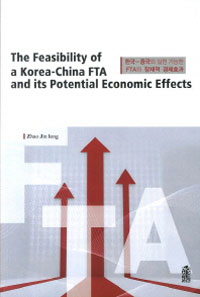
The Feasibility of a Korea-China FTA and its Potential Economic Effects 한국-중국의 실현 가능한 FTA와 잠재적 경제효과
- Zhao Jin Iong 저
- 한국학술정보
- 2012년 12월 06일
-
정가15,000원
-
판매가13,500원 [10% 할인]
-
결제 혜택무이자
카드할인/포인트결제 안내
제휴카드
반디앤루니스 롯데카드 결제금액 최대 25% 청구할인 (1만원 이상 결제건에 한해 월 2회, 건당 최대 1만원 할인) 반디앤루니스 우리V카드 결제금액 10% 청구할인 포인트결제
OK캐쉬백 포인트 최소 10원부터 전액 사용 or 1% 적립 현대카드 M포인트 결제금액의 최대 10% 사용 가능 신한카드 포인트 결제금액의 최대 10% 사용 가능(일부카드) 하나(구.외환) 포인트 보유 한도 내에서 100% 사용 가능 씨티카드 포인트 결제금액의 최대 50% 사용 가능 할인카드
NH농협 TAKE5카드 20% 청구할인(Edu Pack) 채움 플래티늄 멀티카드 20% 청구할인 모바일 Tmoney 신한카드 10% 청구할인 신한카드 Shopping 10% 청구할인 NH농협 체크카드 10% 청구할인 NH20 해봄 신용카드 10% 청구할인 씨티 클리어 카드 7% 청구할인 NH20 해봄 체크카드 5% 청구할인 NH농협 LADY다솜카드 5% 청구할인 신한카드 큐브 5% 청구할인 신한카드 큐브 PLATINUM# 5% 청구할인 
무이자 안내
-
적립금750원 적립 [5%P]
추가 적립금 안내
[2천원 추가 적립]
총 주문금액 5만원 이상 구매 시 2,000원 추가 적립
도서(eBook포함)만 구매 시 적립 대상에서 제외업채배송상품 포함(기프트, 업체배송 등) 5만원[멤버십 추가 적립]
슈퍼루니 : 3% 추가 적립
골드루니 : 2% 추가 적립
실버루니 : 1% 추가 적립
단, 국내도서, eBook만 구매 시 적립 불가
-
배송료15,000원 이상 구매시 무료배송
-
출고예정일
출고예정일 안내
※ 출고예정일은 도서 재고상황에 따라 변동될 수 있습니다.
2025년 12월 22일(월)※ 출고예정일은 도서 재고상황에 따라 변동될 수 있습니다.
당일배송 가능지역 검색
“도로명주소”를 쉽게 찾아보세요
1. 도로명으로 검색하기 (예, “직지길” or “직지길+322”)
2. 건물명으로 검색하기 (예, “반디앤루니스빌딩”)
3. 동(읍/면/리) 으로 검색 (예, “인사동” or “인사동+43”)
4. 도로명주소를 모르실 경우 도로명주소 안내시스템(http://www.juso.go.kr)에서 확인해주세요.
시/도
시/군/구
회원리뷰
ISBN: 9788926838938
218쪽
148 x 210 (㎜)
지금 이책은
- 판매지수 : 400
이 분야의 베스트셀러
-
 세금절약 가이드 2 (2021)
국세청
5,000원
세금절약 가이드 2 (2021)
국세청
5,000원
-
 세금절약 가이드 1 (2021)
국세청
5,000원
세금절약 가이드 1 (2021)
국세청
5,000원
-
 2030 축의 전환
마우로 기옌
16,200원
2030 축의 전환
마우로 기옌
16,200원
이 책과 함께 구매한 책
-

넥스트차이나 삼성경제연구소 신층시장연구팀 11,700원
책 소개
출판사 리뷰
This dissertation examines the feasibility and effects of the China-Korea free trade agreement (CK FTA) in various sectors of the two countries’ economies using a general equilibrium model and incorporating the most recent Global Trade Analysis Project Database. Above all, both China and Korea’s FTA...
This dissertation examines the feasibility and effects of the China-Korea free trade agreement (CK FTA) in various sectors of the two countries’ economies using a general equilibrium model and incorporating the most recent Global Trade Analysis Project Database. Above all, both China and Korea’s FTA strategies together with their respective FTA motives are elaborated, given by the demonstration and analysis of two countries’ trade features, trade structures and bilateral investment. According to the analysis on Korea and China’s trade relations, the industrial advantages and disadvantages between the two countries are matched against the Revealed Comparative Advantage index and Intra-Industry Trade index.
저자 소개
저자 Zhao Jin long은 Doctor Zhao Jin long received his Ph.D at INJE University of South Korea. He is currently an Assistant Professor of School of Economics at Shanghai University. He got more that ten years teaching experience and has more than 5 years corporate and consultancy experience.
Academic and Professional Qualification
2005.9 ~ 2008.6 Doctor Course Study of International Business at INJEUniversity, SouthKorea.
2004.9 ~ 2005.7 Master Course Study of International Business at INJEUniversity, SouthKorea.
2002.9 ~ 2004.7 Master Course Study of International Law of Qingdao University, China.
Biography
Doctor Zhao has an excellent education background in International Economics and Business, being familiar with theory of International Economic Integration and Trade Policies. He has a very solid ability to providing personnel and organizational management and accomplishing training objectives with good experiences in personnel managements and organization with providing leadership and support.
Teaching and Professional Experience
Courses taught:
Oct 2008 ~ Current Shanghai University, China
MBA Program
Executive EconomicsGraduate Courses
Advanced International Trade Theory
International Trade Theory and PolicyUndergraduate Courses
Modern Economics China’s Foreign Trade Macroeconomics Microeconomics WTO and China International Economic Cooperation
Working Experience
Economics, at Shanghai University of China
2006.4 ~ 2008.6 Training supervisor in Career Development Center of INJE University, Republic of Korea
2006.9 ~ 2008.6 Work as a senior trainer responsible for providing support to new trainees through mentoring, observation, and feedback for Shandong “ChengWang” Companyand Shandong “JianKai” Company and made great achievements
2005.9 ~ 2008.6 Perform as a senior counselor of China’s Market and responsible for the market development of Korean P&H International Trade Company
2004.9 ~ 2005.12 Researcher of BK21 Program of Ministry of Education and Human Resources Development, South Korea
2002.10 ~ 2004.6 English and Law Training Lecturer in Adult Education Institute of Qingdao University
Publications
Articles
“South Korea-EU FTA’s Impact on China’s Foreign Trade”, Northeast forum, No.4, 2011. CSSCI Journal.
“South Korea’s FTA Strategy and its Motives”, Korea Research, Fudan University, No.19, 3, 2011.
“South Korea-USA FTA’s impact on China’s Foreign Trade”, International Business, No.3, 2009,CSSCI.
“The Economic Effects and Prediction of China-Korea FTA”, Korea Research, Fudan University. No.19, 2, 2008.
“The Direction of China’s FTA Strategy in Northeast Asia: a Comparative Research of CGE Model”, Northeast Forum, No.4, 2008.
“The Potential Economic Effects of China-Korea FTA: GTAP Analysis”, Korean Tradeand Commerce, Volume7, No.4, December, 2007, pp.47-77.
“An Analysis of Trade Competitiveness and Complementarities between Korea and China”, Korean Trade and Commerce, Volume7, No.1, March, 2007, pp.3-27.
“A Comparative Research between Korea and China’s FTA Strategies”, Korean Tradeand Commerce, Volume 6, No.2, December, 2006, pp.111-142.
“Theoretical Analysis and Effect of Green barrier on International Agric-product Trade of China”, Journal of University of Electronic Science and Technology of China(Social Sciences Edition), No.5, 2006.
“On Theoretical Analysis of SPS and International Agric-prod Trade in Post-transition Period”, Business Research, No.23, 2006.
목차
목차
ABSTRACT
CHAPTER
1
Introduction
01. Background of Free Trade Agreements(FTA)
02. The Development of FTAs in the world
03. Background of China-Korea Free Trade Agreement
04. Paper Structures
CHAPTER
2
A Comparison between Korea and China’s FTA strategies
01. Korea’s FTA Strategy and Its Motivation
1.1. The Background of Korea’s FTA strategy
1.2. The Features of Korea’s FTA Strategy
1.3. The Motives of Korea’s FTA strategy
02. China’s FTA Strategy and Its Motivation
2.1. The Background of China’s FTA Strategy
2.2. The Motives of China’s FTA Strategy
03. A Comparison of Korea and China’s FTA Strategies
3.1. Both FTA Strategies Share Multi-track Basis but Have Different Features
3.2. Both FTA Strategies are affected by Liberalization Process
3.3. Both FTA Strategies have Profound Political Considerations
3.4. Korea’s FTA Process has a Comparative Advantage on its Strategic Tactics
04. Summary
CHAPTER
3
Economic Relations between China and Korea
01. Trade and Investment Patterns between Korea and China
1.1. Trade Status Quo between Korea and China
1.2. Trade Structures and Characteristics between China and Korea
1.3. Deepening Investment Relations
1.4. Trade Balance between China and Korea
1.5 Trade Policy
02. A Competitiveness and Complementariness Research of Korea and China’s Industries
2.1. An Analysis of RCA Index
2.2. Technological Classifications of Exports
2.3. The Intra-Industry Trade Analysis between Korea and China
CHAPTER
4
Theoretical Analysis of the Korea-China FTA
01. Analysis from FTA Theories
1.1. Trade Diversion and Trade Creation
1.2. Domino Theory of FTAs
1.3. Rules of Origins (ROOs) and the Spaghetti Bowl Theory
1.4. Hub and Spoke Theory
02. Need for a Korea-China FTA: Alternative Thinking
2.1. Promotion of Bilateral Intra-Industry Trade and Comparative Advantages
2.2. A Buffer for the Economic and Political Tensions
2.3. Restructuring two Countries’ Vulnerable Domestic Industries
2.4. A Proof from Regionalism
CHAPTER
5
Potential Economic Effects of a Korea-China FTA
01. CGE Models and Global Trade Analysis Project System
1.1. Introduction of the CGE model
1.2. The Global Trade Analysis Project (GTAP) and Its Model Structures
1.3. Existing Research on Korea-China FTA Using CGE Models
1.4. Model Aggregation for a Korea-China FTA
02. The China-Korea FTA’s Potential Economic Impact
2.1. Economic Effects on Welfare
2.2. Economic Effects of a China-Korea FTA on Trade
2.3. Economic Effects of a China-Korea FTA on Outputs
2.4. Effects of a China-Korea FTA on Demand Changes for Production Factors
CHAPTER
6
Conclusions
01. Summary
02. Policy Implications
Acknowledgements
References
Appendix 1
Appendix 2
ABSTRACT
CHAPTER
1
Introduction
01. Background of Free Trade Agreements(FTA)
02. The Development of FTAs in the world
03. Background of China-Korea Free Trade Agreement
04. Paper Structures
CHAPTER
2
A Comparison between Korea and China’s FTA strategies
01. Korea’s FTA Strategy and Its Motivation
1.1. The Background of Korea’s FTA strategy
1.2. The Features of Korea’s FTA Strategy
1.3. The Motives of Korea’s FTA strategy
02. China’s FTA Strategy and Its Motivation
2.1. The Background of China’s FTA Strategy
2.2. The Motives of China’s FTA Strategy
03. A Comparison of Korea and China’s FTA Strategies
3.1. Both FTA Strategies Share Multi-track Basis but Have Different Features
3.2. Both FTA Strategies are affected by Liberalization Process
3.3. Both FTA Strategies have Profound Political Considerations
3.4. Korea’s FTA Process has a Comparative Advantage on its Strategic Tactics
04. Summary
CHAPTER
3
Economic Relations between China and Korea
01. Trade and Investment Patterns between Korea and China
1.1. Trade Status Quo between Korea and China
1.2. Trade Structures and Characteristics between China and Korea
1.3. Deepening Investment Relations
1.4. Trade Balance between China and Korea
1.5 Trade Policy
02. A Competitiveness and Complementariness Research of Korea and China’s Industries
2.1. An Analysis of RCA Index
2.2. Technological Classifications of Exports
2.3. The Intra-Industry Trade Analysis between Korea and China
CHAPTER
4
Theoretical Analysis of the Korea-China FTA
01. Analysis from FTA Theories
1.1. Trade Diversion and Trade Creation
1.2. Domino Theory of FTAs
1.3. Rules of Origins (ROOs) and the Spaghetti Bowl Theory
1.4. Hub and Spoke Theory
02. Need for a Korea-China FTA: Alternative Thinking
2.1. Promotion of Bilateral Intra-Industry Trade and Comparative Advantages
2.2. A Buffer for the Economic and Political Tensions
2.3. Restructuring two Countries’ Vulnerable Domestic Industries
2.4. A Proof from Regionalism
CHAPTER
5
Potential Economic Effects of a Korea-China FTA
01. CGE Models and Global Trade Analysis Project System
1.1. Introduction of the CGE model
1.2. The Global Trade Analysis Project (GTAP) and Its Model Structures
1.3. Existing Research on Korea-China FTA Using CGE Models
1.4. Model Aggregation for a Korea-China FTA
02. The China-Korea FTA’s Potential Economic Impact
2.1. Economic Effects on Welfare
2.2. Economic Effects of a China-Korea FTA on Trade
2.3. Economic Effects of a China-Korea FTA on Outputs
2.4. Effects of a China-Korea FTA on Demand Changes for Production Factors
CHAPTER
6
Conclusions
01. Summary
02. Policy Implications
Acknowledgements
References
Appendix 1
Appendix 2
배송 시 유의사항
- 반디앤루니스에서 구매하신 도서는 물류 대행 위탁업체 웅진 북센을 통해 배송됩니다.
(배송 포장에 "웅진 북센"으로 표기될 수 있습니다.)
- 구매한 상품의 품질과 배송 관련 문의는 반디앤루니스로 문의 바랍니다.
- 천재지변 및 택배사의 사정에 따라 배송이 지연될 수 있습니다.
- 결제(입금) 완료 후 출판사 및 유통사의 사정으로 품절 또는 절판 되어 상품 구입이 어려울 수 있습니다. (별도 안내 예정)
- 도서산간지역의 경우 추가 배송비가 발생될 수 있습니다.
반품/교환
상품 설명에 반품/ 교환 관련한 안내가 있는 경우 그 내용을 우선으로 합니다. (업체 사정에 따라 달라질 수 있습니다)
반품/교환
-
반품/교환 반품/교환 방법 홈 > 고객센터 > 자주찾는질문 “반품/교환/환불” 안내 참고 또는 1:1상담게시판 반품/교환 가능 기간 반품,교환은 배송완료 후 7일 이내, 상품의 결함 및 계약내용과 다를 경우 문제발견 후 30일 이내에 신청가능 반품/교환 비용 변심 혹은 구매착오의 경우에만 반송료 고객 부담(별도 지정 택배사 없음) 반품/교환 불가 사유 - 소비자의 책임 사유로 상품 등이 손실 또는 훼손된 경우
- 소비자의 사용, 포장 개봉에 의해 상품 등의 가치가 현저히 감소한 경우
- 복제가 가능한 상품 등의 포장을 훼손한 경우 : 예)만화책, 잡지, 화보집 등
- 시간의 경과에 의해 재판매가 곤란한 정도로 가치가 현저히 감소한 경우
- 전자상거래등에서의 소비자보호에 관한 법률이 정하는 소비자 청약철회 제한 내용에 해당되는 경우
- 해외주문 상품(해외 원서)의 경우(파본/훼손/오발송 상품을 제외)
소비자 피해보상
환불지연에 따른 배상- 상품의 불량에 의한 반품, 교환, A/S, 환불, 품질보증 및 피해보상 등에 관한 사항은
소비자 분쟁해결 기준(공정거래위원회고시)에 준하여 처리됨 - 대금 환불 및 환불지연에 따른 배상금 지급 조건, 절차 등은 전자상거래 등에서의
소비자 보호에 관한 법률에 따라 처리함
반품/교환 주소 경기도 파주시 문발로 77, 웅진북센(반디앤루니스)
